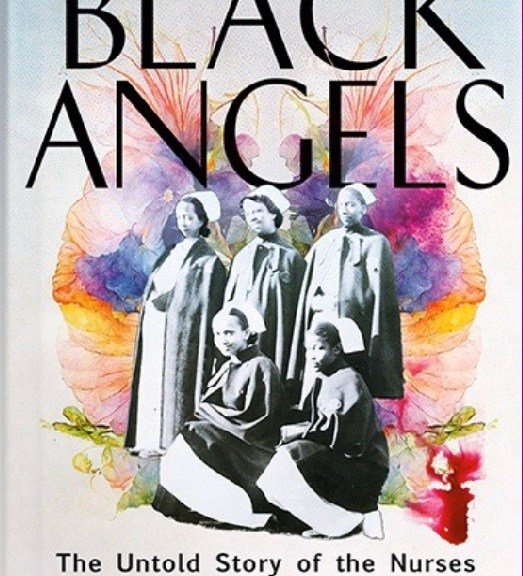
Below is a YouTube recording of this week’s presentation from the Midwest Nursing History Research Center. The author presents an overview of her book and where you can learn more.
According to the Oral History Association:
Oral history is a field of study and a method of gathering, preserving and interpreting the voices and memories of people, communities, and participants in past events. Oral history is both the oldest type of historical inquiry, predating the written word, and one of the most modern, initiated with tape recorders in the 1940s and now using 21st-century digital technologies.
In Doing Oral History, Donald Ritchie explains, “Oral History collects memories and personal commentaries of historical significance through recorded interviews. An oral history interview generally consists of a well-prepared interviewer questioning an interviewee and recording their exchange in audio or video format. Recordings of the interview are transcribed, summarized, or indexed and then placed in a library or archives. These interviews may be used for research or excerpted in a publication, radio or video documentary, museum exhibition, dramatization or other form of public presentation. Recordings, transcripts, catalogs, photographs and related documentary materials can also be posted on the Internet.“ Oral history does not include random taping, such as President Richard Nixon’s surreptitious recording of his White House conversations, nor does it refer to recorded speeches, wiretapping, personal diaries on tape, or other sound recordings that lack the dialogue between interviewer and interviewee.”
For thought: Whom within your circle could contribute to our healthcare history? What a wonderful contribution if you could collect their oral history using resources from the Oral History Association and elsewhere!!










 “Once you see Nightingale’s graph, the terrible picture is clear. The Russians were a minor enemy. The real enemies were cholera, typhus, and dysentery. Once the military looked at that eloquent graph, the modern army hospital system was inevitable. You and I are shown graphs every day. Some are honest; many are misleading….So you and I could use a Florence Nightingale today, as we drown in more undifferentiated data than anyone could’ve imagined during the Crimean War.” (Source: Leinhard, 1998-2002)