
 Is pain experience as diverse as our populations? This week I came across an interesting meta-analysis.
A meta-analysis (MA) is one of the strongest types of evidence there is. Some place it at the top; others, 2nd after evidence-based clinical practice guidelines. (For more on strength of evidence, click here.)
MA is not merely a review of literature, but is a statistical integration of studies on the same topic. MA that is based on integration of randomized controlled trials  (RCTs) or experimental studies is the strongest type of MA. MA based on descriptive or non-experimental studies is a little less strong, because it just describes things as they seem to be; & it cannot show that one thing causes another.
MA example: This brand, new MA included 41 peer-reviewed, English-language, experimental studies with humans: Kim HJ, Yang GS, Greenspan JD, Downton KD, Griffith KA, Renn CL, Johantgen M, Dorsey SG. Racial and ethnic differences in experimental pain sensitivity: Systematic review and meta-analysis. Pain. 2016 Sep 24 [Epub ahead of print] doi: 10.1097/j.pain.0000000000000731. PMID: 27682208. All 41 studies used experimental pain stimuli such as heat, cold, ischemic, electrical and others and compared differences between racial/ethnic groups.
 Main findings? “AAs [African Americans], Asians, and Hispanics had higher pain sensitivity compared to NHWs [non-Hispanic Whites], particularly lower pain tolerance, higher pain ratings, and greater temporal summation of pain.” (https://www.ncbi.nlm.nih.gov/pubmed/27682208) (Temporal summation is the increase in subjective pain ratings as a pain stimulus is repeated again and again.)
Critical thinking: Given that this is a well-done meta-analysis and that the pain was created by researchers in each study, how should this change your practice? Or should it? How can you use the findings with your patients? Should each patient be treated as a completely unique individual? Or what are the pros & cons of using this MA to give us a starting point with groups of patients? [To dialogue about this, comment below.]
For more info? Request the full Kim et al. article via interlibrary loan from your med center or school  library using reference above. It is available electronically pre-publication. Also check out my blog on strength of different types of evidence.
Happy evidence hunting. -Dr.H



 numbers OR words. For example, numbers data might include patient ratings of their pain on a 0-10 scale. An example of word data would asking participants to describe something in words without counting the words or anything else. For example, word data might include patient descriptions pain in words, like
  “stabbing,” “achy,” and so on. Sometimes a researcher collects both number and word data in the same study to give a more complete description. You can see how knowing the patient’s pain rating and hearing a description would give you a much clearer picture of pain.
 Evidence-based practice = best available evidence + expert clinical judgment + patient & family values/preferences.
 practice journals that are beginning to grow–these take best information from the research report all the way through clinical recommendations. For research reports per se,
  database; & there when you find information that fits using your key search terms, you can also look for related articles & get full-text through interlibrary loan or online. Another strategy is take the article that fits your clinical issue to your librarian, and ask for help in finding more research on the identical clinical issue.

 Ok, so you found some GREAT, new & improved clinical guidelines that exactly fit the problem that you are trying to solve on your unit. Now What??? How do you get from the guidelines from paper to practice? & How do you know that the guidelines are any good any way? Where are the tools for all this?


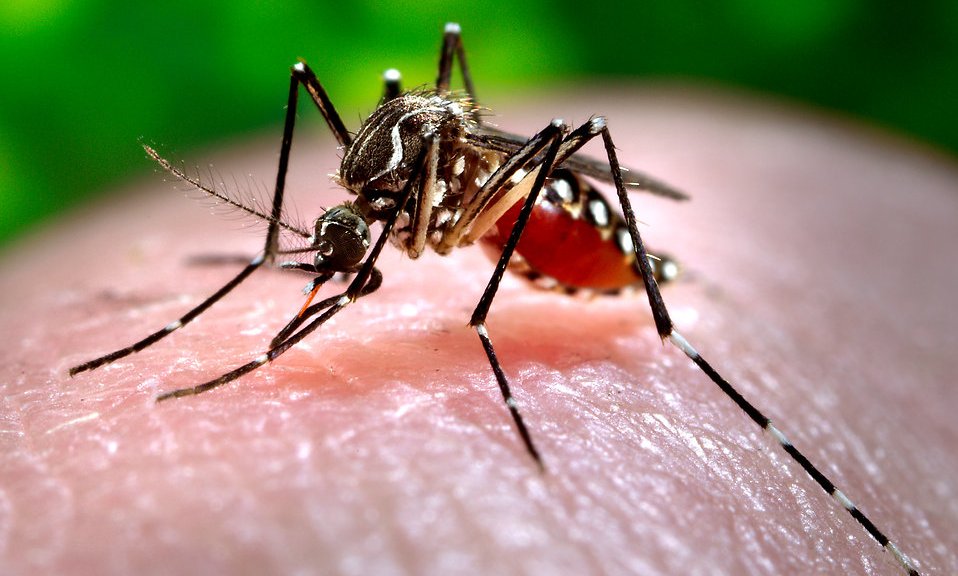
 Some of the best evidence on what to teach is from CDC. These experts have reviewed the best available literature and developed these clear
  Scientific evidence is not static. It is dynamic and ever evolving. This is not a problem with science, but is part of its very nature–that of discovery.


 Chipmunks” cartoon: “Everyone with a nose knows the nose knows everything.”



 Privacy
 applications, such as maps and camera. The iOS version for the iPhone can access all Google data.
 Safety:

