
 Want to write for publication? CHECK OUT NURSE AUTHOR & EDITOR as one of the best places to learn to improve your writing: http://naepub.com/
A few suggestions from me
- You should have the goal of disseminating a project that will help others. Just trying to publish “something” won’t take you far. Figure out the unique twist of your ideas. Talk it over with colleagues & see what they find interesting.
- Select as many journals from this list or other lists that you think might be interested: https://nursingeditors.com/journals-directory/
- Write a query email to each journal to see if they are interested. NOTE: some journals will tell you what format your query should follow. You can write as many query letters as you want.
- Pick a journal from those interested. YOU CAN SUBMIT YOUR ARTICLE TO ONLY 1 JOURNAL at a time. If that journal rejects you can then submit to 1 other, and so on.
- Edit your paper with that journal’s audience in mind.

- Get a peer to read thoroughly and critique your article! THEN you have to LISTEN to all their concerns. If something is unclear to a peer, it will probably be unclear to a peer-reviewer.
- Format & submit EXACTLY, EXACTLY as they ask on the journal instructions to authors. (If you want to annoy editors and reviewers just ignore their instructions to potential authors.)
- Wait & keep your fingers crossed
- If they turn back to you for revisions that is a GOOD SIGN. It means they’re interested and you should address every concern.
- Resubmit
 FOR MORE INFORMATION: Check our Nurse Author & Editor for sure! http://naepub.com/


 Is pain experience as diverse as our populations? This week I came across an interesting meta-analysis.
 (RCTs) or experimental studies is the strongest type of MA. MA based on descriptive or non-experimental studies is a little less strong, because it just describes things as they seem to be; & it cannot show that one thing causes another.
 your practice? Or should it? How can you use the findings with your patients? Should each patient be treated as a completely unique individual? Or what are the pros & cons of using this MA to give us a starting point with groups of patients? [To dialogue about this, comment below.]
 library using reference above. It is available electronically pre-publication. Also check out my

 numbers OR words. For example, numbers data might include patient ratings of their pain on a 0-10 scale. An example of word data would asking participants to describe something in words without counting the words or anything else. For example, word data might include patient descriptions pain in words, like
  “stabbing,” “achy,” and so on. Sometimes a researcher collects both number and word data in the same study to give a more complete description. You can see how knowing the patient’s pain rating and hearing a description would give you a much clearer picture of pain.
 Evidence-based practice = best available evidence + expert clinical judgment + patient & family values/preferences.
 practice journals that are beginning to grow–these take best information from the research report all the way through clinical recommendations. For research reports per se,
  database; & there when you find information that fits using your key search terms, you can also look for related articles & get full-text through interlibrary loan or online. Another strategy is take the article that fits your clinical issue to your librarian, and ask for help in finding more research on the identical clinical issue.

 Ok, so you found some GREAT, new & improved clinical guidelines that exactly fit the problem that you are trying to solve on your unit. Now What??? How do you get from the guidelines from paper to practice? & How do you know that the guidelines are any good any way? Where are the tools for all this?


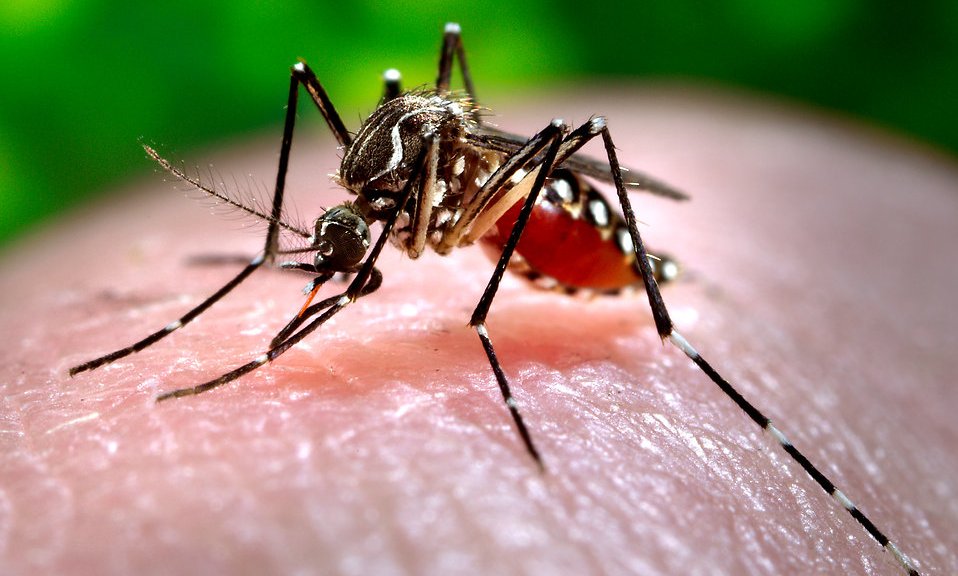
 Some of the best evidence on what to teach is from CDC. These experts have reviewed the best available literature and developed these clear
  Scientific evidence is not static. It is dynamic and ever evolving. This is not a problem with science, but is part of its very nature–that of discovery.


 Chipmunks” cartoon: “Everyone with a nose knows the nose knows everything.”